

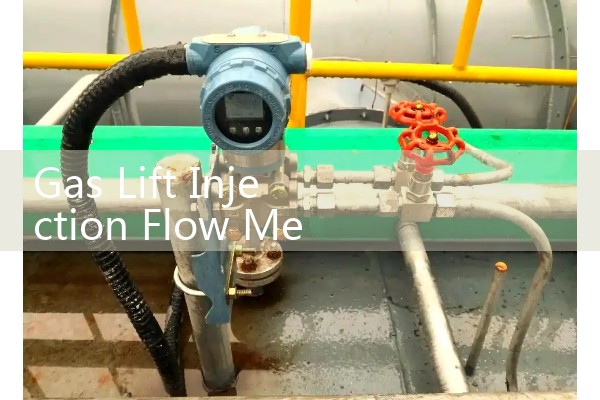
『Gas Lift Injection Flow Meter Maintenance: Preventing Sand Erosion and High-Velocity Calibration Drifts』Related information(flow rotameter|digital flow meter|balo meter|hydraulic flow meter|volumetric meter|positive displacement meter|pitot tube flow meter|displacement meter|cfm meter|variable area flow meter|inline flow meter|differential pressure flow meter|calibrated flow meter|velocity meter|paddle wheel flow meter|oval gear flow meter|anemometer hvac|multiphase flow meter|doppler flow meter|thorpe tube flowmeter|heat flow meter)
Gas Lift Injection Flow Meter Maintenance: Preventing Sand Erosion and High-Velocity Calibration Drifts
Quick Answer: Sand erosion and high gas velocity are the main reasons gas lift injection flow meters drift out of calibration. Use a full-bore flow meter with hardened wetted parts, inspect the meter bore every six months, and verify the K-factor against a reference at least once per year. Send us your gas composition, pressure, temperature, pipe size and flow range for a specific model recommendation.
Gas lift injection systems push high pressure gas into wellbores to reduce fluid density and boost oil production. We see these systems in Oman, Malaysia, Indonesia, Mexico, and Nigeria. Injection pressures often run from 80 bar to 180 bar. Pipe sizes are usually DN25 to DN100. Flow rates vary from 300 Nm3/h to 6000 Nm3/h. The flow meter sits in a hot, fast, and sometimes dirty gas stream. This is not a laboratory installation.
Sand Erosion Changes the Flow Profile
Even a small amount of sand or scale in lift gas can erode the meter body. A customer in Vietnam operated a DN50 vortex flow meter on a gas lift line at 110 bar. After 14 months the meter reading was 6 percent low. The K-factor had shifted because the bluff body edge had rounded. The meter body was still clean on the outside. The DCS signal was stable. That made the error easy to miss.
Vortex flow meters depend on a sharp bluff body edge to create a repeatable shedding frequency. When sand rounds that edge, the frequency changes. Thermal mass flow meters have a different problem. Sand pits the sensor surface. That changes heat transfer. The meter then reads low or high depending on the surface roughness and coating.
High Velocity Calibration Drift
Here is the thing. Flow meters are calibrated in a lab with clean gas and a fully developed profile. But a gas lift line often runs at 25 to 40 m/s at line conditions. At those velocities, small geometric changes produce larger errors. A 1 percent change in bluff body shape can become a 4 percent error at high Reynolds number. We have seen this on customer sites many times.
High velocity also increases the risk of erosion at the meter inlet. The inlet wall and the upstream pipe bend can shed metal particles into the gas stream. Those particles then hit the sensor. That is why we recommend inspecting the meter bore at least every 6 months when sand is present.
Maintenance Plan That Works
First, record the baseline K-factor or calibration slope from the factory certificate. Keep that record in the maintenance management system. In practice, most sites find issues by comparing the live flow reading with the casing pressure trend and gas lift performance. A shift in gas injection rate without a change in pressure is a red flag. Third, remove the meter during planned shutdown
Recommended Flow Meters for Gas Lift Injection
For high pressure gas lift injection we usually recommend an inline vortex flow meter with a 316L stainless steel body and a hardened bluff body edge. This design handles 180 bar and gas temperatures up to 120 °C without special derating. If the gas contains H2S or CO2, specify NACE MR0175 compliant wetted parts. For lower pressure gas injection or flow verification, a thermal mass flow meter with PT100 sensor elements can work if the gas is clean and the line size is DN15 to DN50. For very high accuracy mass flow measurement on small lines, a Coriolis mass flow meter is an option. Silver Automation Instruments supplies all three types. Tell us your gas composition, pressure in bar, temperature in °C, pipe size in DN, and flow range in Nm3/h. We will recommend the lowest maintenance option.
Send your process data to Tel: +86-25-68650347 or Whatsapp: +86-25-52155837. You can also reach us on WeChat: +86 15365082610. We support customers in Southeast Asia, the Middle East, Latin America, and Africa.
FAQ: Gas Lift Injection Flow Meter Maintenance
Q: How often should a gas lift injection flow meter be recalibrated?
A: In clean gas service, once every 12 months is enough. If sand or scale is present, remove and inspect the meter every 6 months. Compare the K-factor or output against the baseline certificate. Recalibrate if the deviation is more than 1.5 percent.
Q: What flow meter is best for high pressure gas lift injection?
A: An inline vortex flow meter with 316L stainless steel body and hardened bluff body is the most common choice. It handles 180 bar, high velocity, and small amounts of particulate better than an insertion thermal mass meter.
Q: Can sand damage a thermal mass flow meter?
A: Yes. Sand pits the sensor surface and changes the heat transfer coefficient. A pitted sensor can drift by 3 to 5 percent. Use a filter or a hardened vortex meter upstream if sand is expected.
Q: What signal output should I use for gas lift injection flow meters?
A: 4-20 mA HART is standard for most oil and gas sites. It carries flow rate and diagnostic data. Modbus RTU is also available for local PLC integration.
Q: What data do you need to quote a gas lift injection flow meter?
A: Send us the gas composition, pressure in bar, temperature in °C, pipe size in DN, and flow range in Nm3/h. We also ask for the existing meter model and whether the area requires ATEX Zone 1 or Zone 2 certification.
 Hot Blog
 Related AD