

 Current position > Product detail
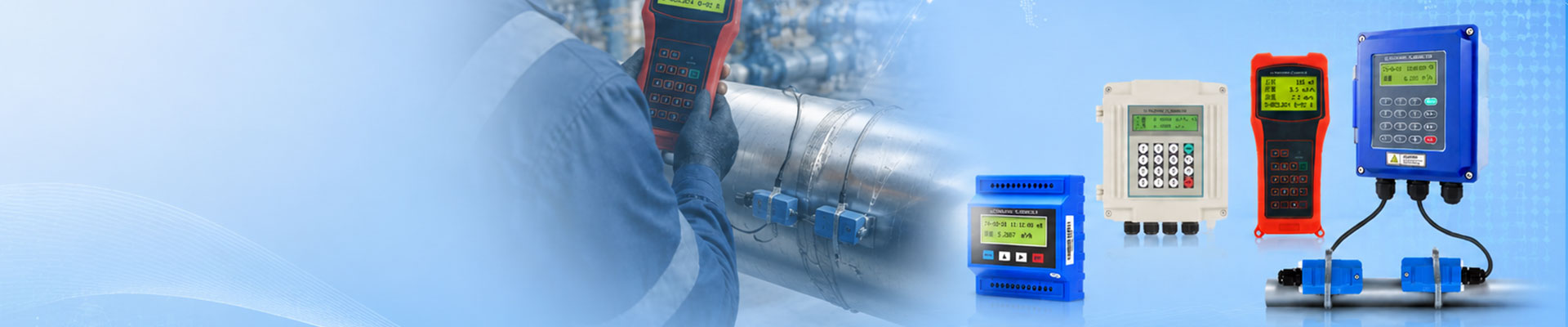
『Ge Ultrasonic Flow Meter Lineup: Permanent and Portable Non-Intrusive Gas and Liquid Sizing』Related information(flow rotameter|digital flow meter|balo meter|hydraulic flow meter|volumetric meter|positive displacement meter|pitot tube flow meter|displacement meter|cfm meter|variable area flow meter|inline flow meter|differential pressure flow meter|calibrated flow meter|velocity meter|paddle wheel flow meter|oval gear flow meter|anemometer hvac|multiphase flow meter|doppler flow meter|thorpe tube flowmeter|heat flow meter)
GE Ultrasonic Flow Meter Lineup: Permanent and Portable Non-Intrusive Gas and Liquid Sizing
Quick Answer: The GE ultrasonic flow meter lineup includes permanent clamp-on and portable non-intrusive models for gas and liquid. These meters fit pipe sizes from DN15 to DN3000 and cover water, wastewater, hydrocarbons, chemicals, and gas. Send Silver Instruments your pressure in bar, temperature in °C, pipe size in DN, and flow range for a technical quote.
Pipe data comes first for non-intrusive sizing
Most engineers skip the transducer gap check. That is a mistake. The pipe OD, wall thickness, liner type, and internal scale change the signal. We ask for pipe size in DN, material, wall thickness, and fluid type before we quote. A DN100 carbon steel water line needs a different setup than a DN150 PVC chemical line. Even a 2 mm liner can reduce signal strength.
This matters a lot in Saudi Arabia and Australia. A desalination plant in Saudi Arabia ran a clamp-on meter on a DN600 lined pipe. The first setup failed because the liner was not in the meter file. We corrected the pipe data and the meter read stable within 0.5 percent of the plant balance.
Permanent ultrasonic meter lineup for liquid
For permanent liquid applications, GE PanaFlow LC and DigitalFlow XGF868i are common choices. These meters handle clean water, wastewater, hydrocarbons, chemicals, and liquid ammonia. Sizing depends on pipe diameter and fluid velocity. Most process lines run between 0.3 m/s and 8 m/s. Below 0.1 m/s, transit-time meters lose repeatability.
For demin water with conductivity below 20 µS/cm, a clamp-on ultrasonic meter works well because it does not need conductivity like a magnetic meter. Use clamp-on transducers for chemical service with PTFE or PFA lined pipe. Use wetted transducers for clean water custody transfer when lower uncertainty is required. We have installed permanent ultrasonic meters on DN80 to DN1200 lines in Vietnam, Indonesia, and Mexico. The output is normally 4-20 mA HART, Modbus RTU, or pulse.
Permanent ultrasonic meter lineup for gas
Here is the thing about gas clamp-on sizing. It is less forgiving. Pressure, temperature, and gas composition shift sound velocity. GE gas meters like PanaFlow ISX and GF868 use pressure and temperature inputs to correct the flow. A 5 bar change in a natural gas line can shift the reading by more than 2 percent if the meter has no live pressure input.
We recommend permanent gas meters for pipes from DN50 to DN600. For flare gas or low pressure gas below 1 bar, the GF868 is often selected. It handles wet gas and changing composition better than standard transit-time meters. A refinery in Malaysia used a GF868 on a DN300 flare header. The meter reported kg/h and Nm3/h through RS485 to the DCS.
Portable ultrasonic meter sizing for field checks
The GE Panametrics PT878 is a portable clamp-on ultrasonic flow meter for liquid. It fits pipe sizes from DN15 to DN600. Field crews use it for pump tests, heat exchanger balancing, and leak surveys. It stores data for later download. A PT878 works well on clean water, light chemicals, and hydrocarbon liquids up to 200 °C with the right transducer.
For gas, a portable meter is harder because the signal is weak. Some teams use a portable GF868 or PanaFlow ISX with a clamp-on fixture. We only suggest portable gas metering when the pressure is above 2 bar and the pipe is clean. Otherwise the reading drifts. We have seen this on customer sites in Nigeria
Data you need for a quote
Send us these numbers and we can size the GE ultrasonic meter the same day. Pipe size in DN. Pipe material and wall thickness. Fluid type and temperature in °C. Pressure in bar. Flow range in m3/h or kg/h. Required output: 4-20 mA HART, Modbus, pulse, or data logger.
For water and wastewater, a DN100 line at 0.5 to 5 m/s gives roughly 14 to 141 m3/h. For diesel or light oil, the same DN100 line at 0.5 to 4 m/s is about 14 to 113 m3/h but the meter needs the fluid sound speed set correctly. If viscosity is above 50 cP, a clamp-on ultrasonic meter starts to struggle. We tell customers this before they buy. Some competitors do not.
Output, hazardous area, and installation details
Most GE ultrasonic meters come with 4-20 mA HART as standard. Modbus RTU and RS485 are optional. For gas allocation, many sites use RS485 to the flow computer. For thermal correction, connect a PT100 or 4-20 mA temperature input. For hazardous area, specify ATEX Zone 1 or Zone 2 transducers. Portable meters are usually IP67 rated.
Do not ignore cable length and signal noise. A long cable run on a plant with VFD drives can create a noisy signal. Use shielded cable and keep signal cables away from power cables. We have corrected many installations where a meter read 20 percent high because of an unshielded cable next to a pump drive.
If the GE ultrasonic meter is not the right fit for slurry, low conductivity fluid, or high viscosity oil, we say so. Silver Instruments also supplies Coriolis, electromagnetic, vortex, oval gear, and thermal mass meters as alternatives.
Five key questions before you buy
1. What pipe size and wall thickness do you have?
This sets transducer frequency and spacing. A DN300 line needs lower frequency than a DN25 line. Give us the OD and wall thickness, not just DN.
2. Is the flow continuous or batch?
Clamp-on ultrasonic meters need a full pipe and stable flow for best reading. Empty pipe or slug flow causes dropout. Batch lines with frequent stops need a meter with empty pipe detection.
3. What is the fluid and gas composition?
Water, seawater, diesel, and chemicals have different sound speeds. Gas composition changes the calculation. Send us the fluid type, density if known, and gas molecular weight if available.
4. What accuracy do you really need?
Clamp-on meters give 0.5 to 1.0 percent of reading on a good installation. Wetted transducers can do better. We will not quote custody transfer accuracy on a clamp-on gas meter unless the line conditions support it.
5. What output goes to your control system?
4-20 mA HART is simple. Modbus RTU gives more data. Pulse is fine for totalizer only. Tell us the PLC or DCS brand so we match the signal.
Get a specific GE ultrasonic meter proposal from Silver Instruments
Send us your pressure in bar, temperature in °C, pipe size in DN, and flow range. We will return a technical proposal with the GE permanent or portable non-intrusive meter that fits your gas or liquid line. We sell to industrial end users and distributors in Southeast Asia, Oceania, Latin America, Africa, and the Middle East.
You can reach Silver Automation Instruments by phone or WhatsApp for faster sizing. Tel: +86-25-68650347. WhatsApp: +86-25-52155837. WeChat: +86 15365082610.